
Real Time Automation 490NBX Review: Specs, Price and Applications

Updated: 7 days ago
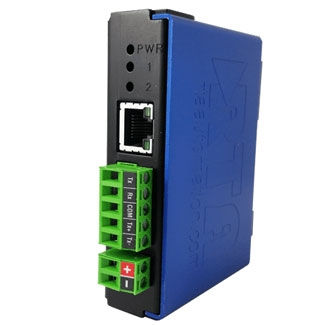
The RTA 490NBX exchanges raw Ethernet TCP data with Allen-Bradley PLC tags. It targets devices such as barcode readers, scales and displays that communicate through TCP, using browser-based configuration to establish the device and PLC mapping.
Quick Verdict
A useful candidate when an existing TCP device needs a defined data path to an Allen-Bradley controller. The application still needs a message-format and transaction contract; receiving a string is not the same as accepting a valid production result.
Real Time Automation 490NBX at a Glance
Device-side communication: Raw Ethernet TCP data
PLC-side mapping: User-defined Allen-Bradley PLC tags
Configuration: Built-in browser interface
Connection role options: Connect to the device or accept a device connection
Outbound transaction behavior: Monitor a PLC string length; transmit and clear the length
Example applications: Barcode data, scale data and device displays
Mounting: DIN rail or panel; power-supply choices
Price: Request a quote for the exact ordering configuration.
Technical Specifications
Specification | Documented configuration |
Device-side communication | Raw Ethernet TCP data |
PLC-side mapping | User-defined Allen-Bradley PLC tags |
Configuration | Built-in browser interface |
Connection role options | Connect to the device or accept a device connection |
Outbound transaction behavior | Monitor a PLC string length; transmit and clear the length |
Example applications | Barcode data, scale data and device displays |
Mounting | DIN rail or panel; power-supply choices |
Design and Build
The raw TCP interface addresses a different problem from a serial ASCII gateway. Determine whether the device opens the connection or waits for a peer, and define the format and boundaries of each message. TCP delivers a byte stream; the application's complete-message interpretation must still match the device's documented behavior.
A gateway should be selected from the communicating devices and their exact protocol roles. Connectors, pinouts and supply requirements are only part of that specification. Establish which device initiates each transaction, which data is transferred and how the receiving controller interprets it. A product can preserve an existing architecture without changing the limitations of the devices connected to it.
Configuration and Integration
The monitored PLC string-length handshake can reduce message-instruction work, but the PLC application must respect that handshake. Define when a message may be written, how completion is recognized and what happens if the connection is interrupted. Overwriting a buffer before the previous transaction is handled can defeat an otherwise correct gateway configuration.
Prepare a communication plan that identifies normal transactions, diagnostic signals and recovery behavior. Test the complete application with the real controller and peripherals. A status indicator or established connection does not establish that every required value arrives correctly. Keep the approved wiring, configuration and software versions with the equipment documentation so a replacement can reproduce the intended behavior.
Applications and Use Cases
Integration of TCP barcode readers, scales, displays and similar devices with Allen-Bradley PLCs.
Barcode or scale data should be interpreted in its production context. Check units, delimiters, identifiers and expected responses, and establish how invalid or repeated data is handled. The supplier's rapid-transfer description should not be turned into a guaranteed end-to-end machine response without testing the real device, controller and workload.
Connectivity should be judged by correct data exchange and maintainable recovery. Protocol compatibility, connection capacity and physical replacement fit are useful only when they match the complete application.
Alternatives and Selection
Choose 490NBX for the documented Ethernet TCP device interface and compare it with 435NBX when the device uses serial ASCII instead. Match the actual physical interface, message format and PLC mapping rather than select by the shared gateway function.
Price and Value
Price: Request a quote. The quotation should identify the exact product configuration, included options, delivery terms and support scope. Accessories and integration work should be listed separately so the hardware price can be compared on a like-for-like basis. A family name or headline specification is not a complete purchasing description.
Assess value against the work the product enables in the machine. Include the engineering needed to configure it, the equipment that must operate alongside it and the effort required to maintain or replace it. A lower component price can be outweighed by extra integration work, while additional features are valuable only when the application can use them. Compare written configurations rather than assumed package contents.
Pros and Cons
Pros
Browser-configured raw TCP-to-PLC data mapping
Device-side connection-role choices
Cons
Message framing and PLC handshakes require an application contract
Gateway transfer behavior does not establish complete-machine transaction timing
Who Should Consider Real Time Automation 490NBX?
A useful candidate when an existing TCP device needs a defined data path to an Allen-Bradley controller. The application still needs a message-format and transaction contract; receiving a string is not the same as accepting a valid production result.
The strongest purchasing case is a clearly defined requirement that matches the documented configuration. If the project depends on a particular option, interface or mechanical arrangement, include it explicitly in the order. Keep the accepted configuration with the equipment documentation so a later replacement preserves the intended application.
Commissioning and Acceptance
Acceptance should cover the actual production exchanges and the effect of interruption. Check whether communication faults are visible to the host and how the machine behaves while a device is unavailable. Restore the accepted configuration on replacement hardware and verify the connected application. A retrofit should preserve the required machine behavior, while any additional capabilities should be evaluated as explicit changes to that behavior.
Real Time Automation 490NBX FAQ
What is Real Time Automation 490NBX?
The RTA 490NBX exchanges raw Ethernet TCP data with Allen-Bradley PLC tags. It targets devices such as barcode readers, scales and displays that communicate through TCP, using browser-based configuration to establish the device and PLC mapping.
Which configuration is reviewed?
Device-side communication: Raw Ethernet TCP data. PLC-side mapping: User-defined Allen-Bradley PLC tags.
What is the main selection consideration?
A useful candidate when an existing TCP device needs a defined data path to an Allen-Bradley controller. The application still needs a message-format and transaction contract; receiving a string is not the same as accepting a valid production result.
What applications should it be considered for?
Integration of TCP barcode readers, scales, displays and similar devices with Allen-Bradley PLCs.
What is a documented advantage?
Browser-configured raw TCP-to-PLC data mapping. Device-side connection-role choices.
What limitation matters during integration?
Message framing and PLC handshakes require an application contract. Gateway transfer behavior does not establish complete-machine transaction timing.
What is the price?
Price: Request a quote. Specify the exact ordering configuration, required options, accessories and delivery terms.
How should an alternative be compared?
Choose 490NBX for the documented Ethernet TCP device interface and compare it with 435NBX when the device uses serial ASCII instead. Match the actual physical interface, message format and PLC mapping rather than select by the shared gateway function.
Product information: Real Time Automation supplier product information.
Pricing is quotation-based and may change. Options, availability, delivery and application requirements depend on the selected ordering configuration.


