
DENSO VP-Series Aseptic Six-Axis Robots Review: Specs, Uses, Pros & Cons

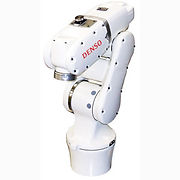
DENSO VP-Series Aseptic Six-Axis Robots review: Axes — 6. Cleanliness — ISO Class 5 / Class 100 described. This guide examines the documented configuration, practical engineering tradeoffs and the buying questions that matter for a successful installation.
Quick Verdict
A specialized option for processes where biological contamination control matters. The aseptic construction addresses cleaning compatibility, but the full process still requires a validated cleaning and contamination-control procedure.
Technical Specifications
Technical field | Documented configuration / buying implication |
|---|---|
Axes | 6 |
Cleanliness | ISO Class 5 / Class 100 described |
Surface | Anodized aluminum covers and protective coating |
Joints | Sealed for described cleaning process |
Cleaning | Hydrogen-peroxide compatibility stated |
Performance | Match exact VP model and aseptic variant |
Price | Request a configuration-specific quotation |
Design and Engineering Assessment
The listing describes performance comparable to standard VP models, without identifying one universal payload or reach. Therefore a buyer should select an exact VP variant before freezing the fixture. Hydrogen-peroxide compatibility is not a guarantee for every concentration, exposure duration, seal condition or accessory. The gripper, cable dress and fasteners can be harder to clean than the arm and need the same scrutiny. An ISO cleanroom classification addresses particles; aseptic process suitability also depends on microbiological control.
Applications and Best-Fit Projects
Medical, pharmaceutical and other biocontamination-sensitive handling tasks are the relevant starting point.
Environment and contamination control
Define the actual environmental requirement before selecting the arm. Particle emissions, electrostatic control, liquid ingress and microbiological cleaning are different concerns. A claim for one does not establish the others. Request variant-specific evidence and the applicable operating conditions. The end effector, cables, lubricants, fasteners and maintenance method belong in the same review, because an approved arm can be installed in a contamination-generating cell.
Integration with sensitive parts
Sensitive workpieces demand controlled acceleration, secure gripping and a defined response to a failed presence or vacuum signal. Verify the complete path through fixtures and process equipment, including approach, settling and withdrawal. For electronics, check the grounding chain through the tool and workstation. For clean handling, evaluate particle generation during motion rather than only inspecting a stationary exterior. For aseptic work, validate the actual cleaning procedure and material compatibility.
Qualification and lifecycle cost
A successful initial trial is only part of the decision. Plan how cleaning, seal inspection, tool replacement and preventive maintenance will be performed without compromising the process. Document calibration and contamination checks after service. Environmental consumables, downtime for requalification and the cost of lost product can outweigh robot-only price differences. Compare candidates against the same qualification protocol and the same configured tooling.
Price, Value and What the Quote Should Include
Request a quotation for the exact configuration described in the technical table. Separate the base equipment from tooling, software options, installation, commissioning, training and ongoing service. Ask the supplier to identify the delivered revision and acceptance obligations in writing. A low hardware price is not a saving if the project requires unbudgeted integration or unsupported accessories.
For the value assessment, compare the present workflow with a realistic proposed cycle. Include the time people still spend loading, replenishing, checking quality and recovering faults. Estimate savings only from changes the proposed system can actually deliver. Keep maintenance, changeover and support availability in the calculation, and use a representative pilot to replace optimistic assumptions with measured results.
Pros and Cons
Strengths
• Aseptic-oriented surfaces and sealed joints
• Six-axis access
• ISO Class 5 described
Limits to Account For
• Cleaning process needs validation
• Particle classification alone is not sterility
Commissioning and Acceptance Checklist
Confirm the cleaning recipe with the supplier, document material compatibility and inspect seals and inaccessible surfaces after repeated representative cleaning cycles.
Write the required result, test conditions and pass/fail threshold before running acceptance. Include the least favorable normal load or part, a representative shift or operating sequence and the recovery cases that occur in the real workflow. Keep a record of the supplied hardware, software and settings so future maintenance can restore the same validated behavior.
Who Should Consider It
Medical, pharmaceutical and other biocontamination-sensitive handling tasks are the relevant starting point. A specialized option for processes where biological contamination control matters. The aseptic construction addresses cleaning compatibility, but the full process still requires a validated cleaning and contamination-control procedure.
Frequently Asked Questions
What is DENSO VP-Series Aseptic Six-Axis Robots best suited to?
Medical, pharmaceutical and other biocontamination-sensitive handling tasks are the relevant starting point.
Which technical specifications matter most for DENSO VP-Series Aseptic Six-Axis Robots?
The documented starting points are Axes: 6; Cleanliness: ISO Class 5 / Class 100 described; Surface: Anodized aluminum covers and protective coating. Match those values to one supplied configuration; do not combine family endpoints or assume an optional package is included.
How should DENSO VP-Series Aseptic Six-Axis Robots be integrated into a real workflow?
Define the actual environmental requirement before selecting the arm. Define the task boundaries, handoff signals and exception states before commissioning. Verify them with the actual tooling, carriers, fixtures or site data rather than a simplified demonstration.
What are the main limitations of DENSO VP-Series Aseptic Six-Axis Robots?
The main constraints are cleaning process needs validation; particle classification alone is not sterility. The listing describes performance comparable to standard VP models, without identifying one universal payload or reach. Compare the complete installed solution against the process requirement rather than relying on a single headline figure.
What does DENSO VP-Series Aseptic Six-Axis Robots cost?
Request a configuration-specific quotation. A verified fixed public price for the complete package is not established here. The proposal should identify included hardware, required software, integration, training, service and any recurring charges so competing quotations cover the same scope.
Can DENSO VP-Series Aseptic Six-Axis Robots operate without human involvement?
Do not infer unattended reliability from a successful demonstration. Define which task steps are automated, which still require operators and how the system reacts to missing inputs, obstruction or process faults. Release only the validated operating envelope.
What should be tested before accepting DENSO VP-Series Aseptic Six-Axis Robots?
Confirm the cleaning recipe with the supplier, document material compatibility and inspect seals and inaccessible surfaces after repeated representative cleaning cycles. Record measurable acceptance criteria and retain the results for the delivered configuration.
How should buyers compare DENSO VP-Series Aseptic Six-Axis Robots with alternatives?
Use the same task, quality target, operating conditions and support horizon for each proposal. The aseptic construction addresses cleaning compatibility, but the full process still requires a validated cleaning and contamination-control procedure. Compare total installed and operating cost, including recovery effort and changeover, rather than robot-only price.
Specifications and included options depend on the ordered model and revision. Confirm the final configuration, commercial terms and local support with the supplier.


